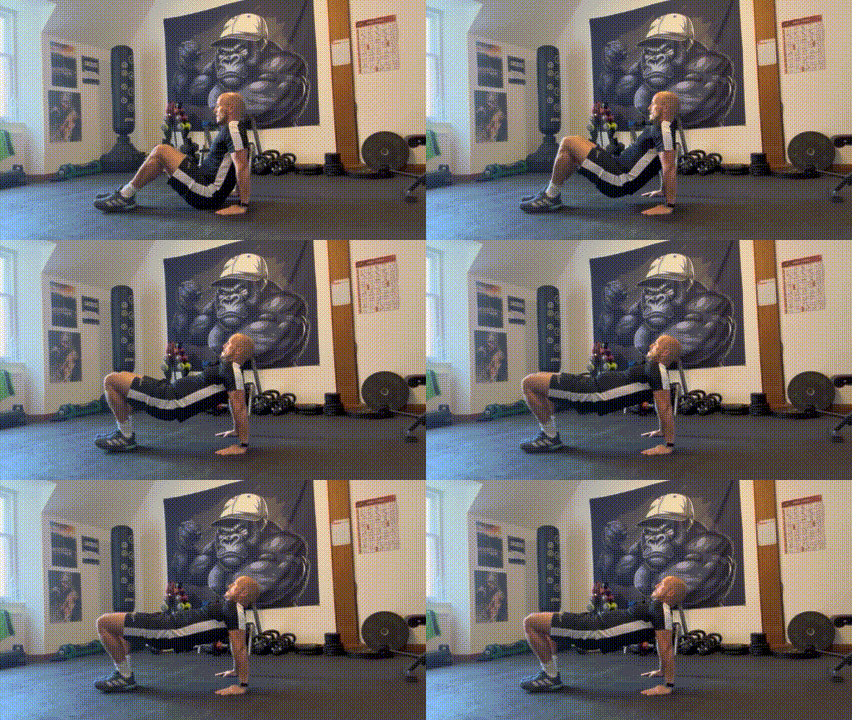
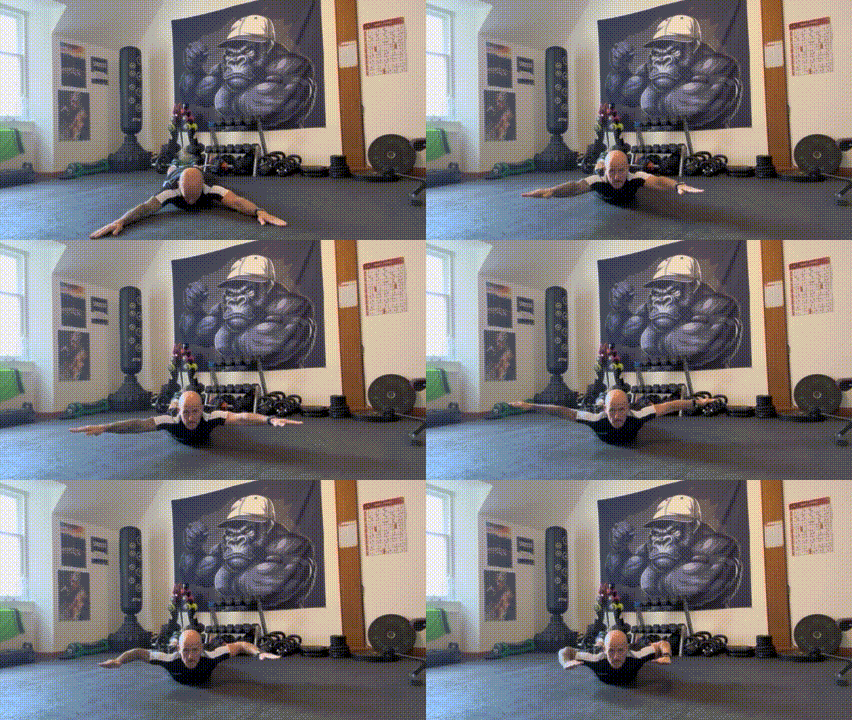
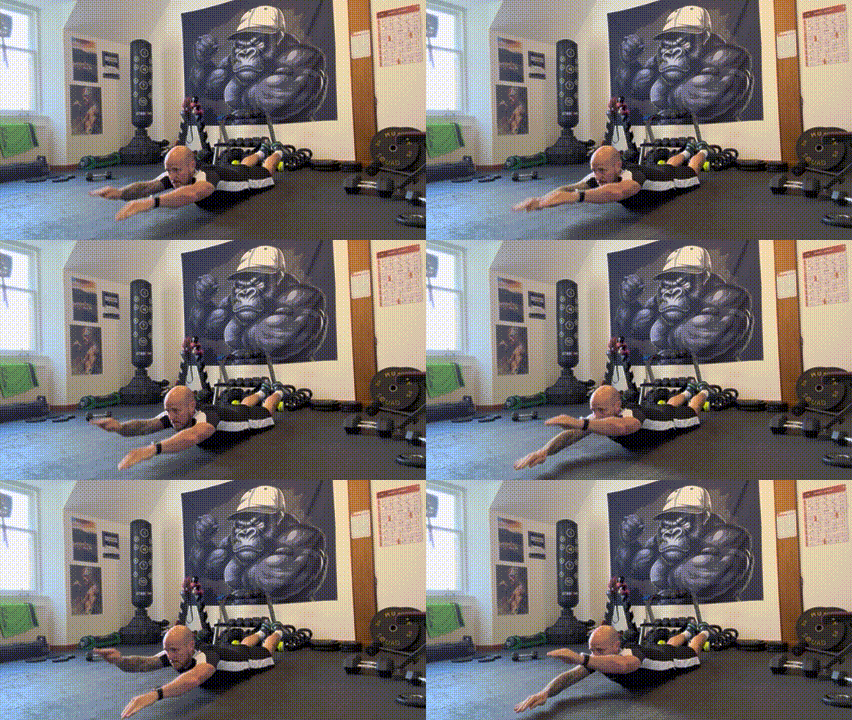
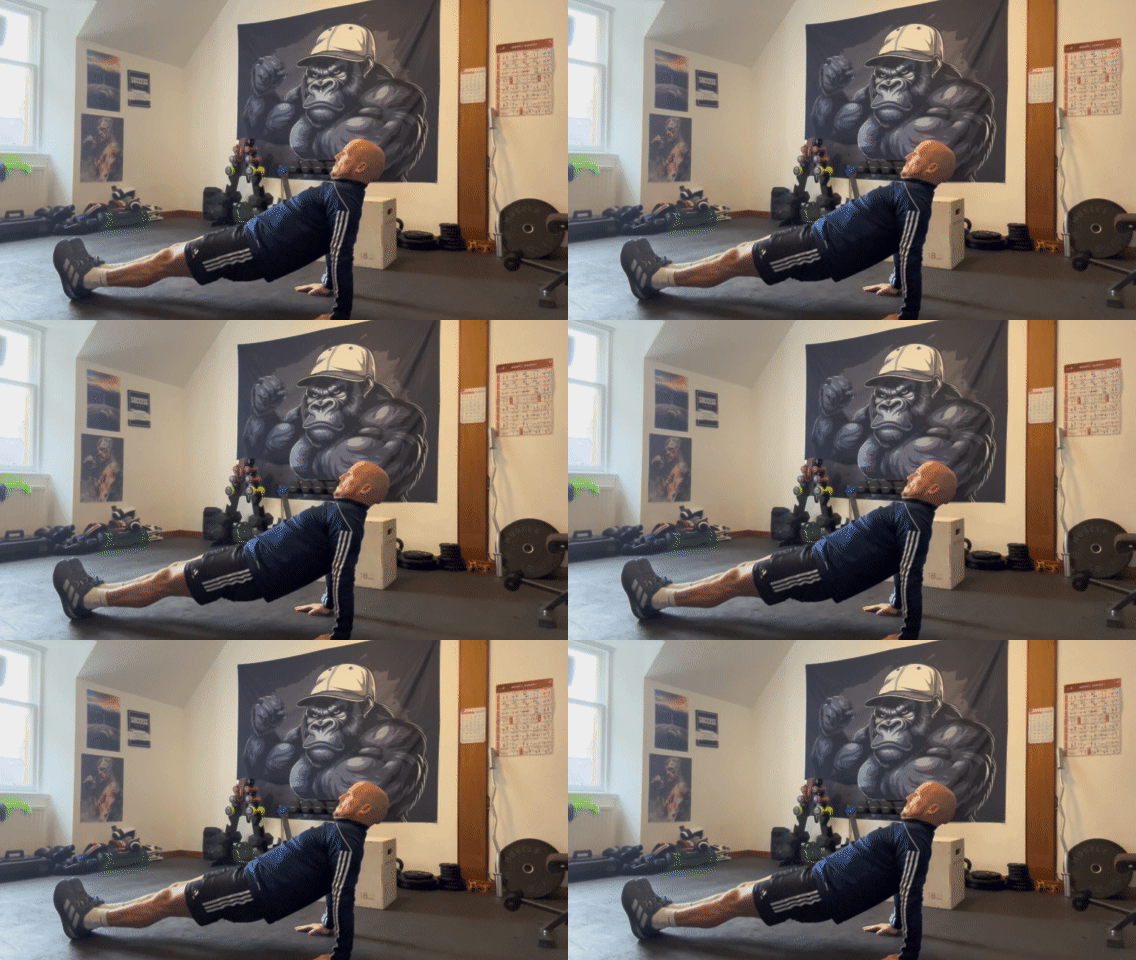
If you spend your days folded over a desk, a phone or a steering wheel, this one's for you. Five gentle moves that strengthen the muscles along your back and shoulders — the ones that hold you tall when they're strong, and let you slump when they're not.
It runs as a pyramid: 20 seconds to start, climbing to a 40-second peak of bird dogs, then back down to a short reverse plank finish. Nothing fast, nothing heavy — posture muscles respond to slow, deliberate work.
All you need is floor space, and a video of me demonstrating every move is right here on the page.
How to use this workout
Move like you're underwater: slow, smooth, and reaching long rather than lifting high. On every back move, keep your neck relaxed and your eyes on the floor — cranking your head up is the one habit to break early.
The workout
How it should feel — and when to make it harder
A warm, working ache across your upper back and shoulders, and a stretch across the front of them on the reverse plank — that's the day's slouch being paid back. Nothing should pinch. When two rounds feel comfortable, add a pause at the top of every rep before you add time. And if you've got a health condition or you're on medication, have a quick word with your GP before you start — costs nothing, buys peace of mind.
Quick questions
Can exercise actually fix my posture?
It strengthens the muscles that hold you tall, which makes good posture easier and slouching less automatic — most people notice they sit and stand better within a few weeks. It's not overnight, and no honest trainer will tell you otherwise.
How often should I do this if I sit at a desk all day?
Two or three times a week, plus the free version: stand up and move for a minute every hour or so. The workout builds the strength; the standing up spends it.
Why train posture as a pyramid?
Because the peak lands on bird dogs — the move that teaches your back and core to work together — while you're warm and fresh enough to do them slowly and well. The rest of the pyramid is the escort there and back.