
If you feel too unfit to start exercising, please read this first: the fact that you feel that way is exactly why starting will help, and it's absolutely possible to begin from wherever you are right now. You don't need to be fit to start — you get fit by starting. This is a gentle, judgement-free guide to taking the very first steps, built for people who feel like they're beginning from zero.
First, let go of "starting properly"
A lot of people never begin because they're waiting to do it "properly" — the perfect plan, the right kit, a clear month with no interruptions. That day never comes, and waiting for it is the thing keeping you stuck.
The goal in your first few weeks isn't to get fit. It's simply to become someone who exercises. Tiny, consistent, almost-too-easy steps are not a compromise — they're the actual method. Master them and the rest follows.
Start absurdly small (on purpose)
When you feel very unfit, the most common mistake is doing too much too soon, feeling wrecked, and quitting. So we do the opposite. Your first target is a step so small it feels almost silly to skip:
- A five-minute walk. Not thirty. Five.
- Five bodyweight squats while the kettle boils.
- Standing up and sitting down from a chair ten times.
- Two minutes of gentle marching during an advert break.
This isn't the "real" plan you'll graduate to later — it is the plan for now. The point is to win every single day, because a run of tiny wins builds the identity and the momentum that bigger efforts need. You can always do more once the habit is solid; you can't build a habit on efforts you dread.
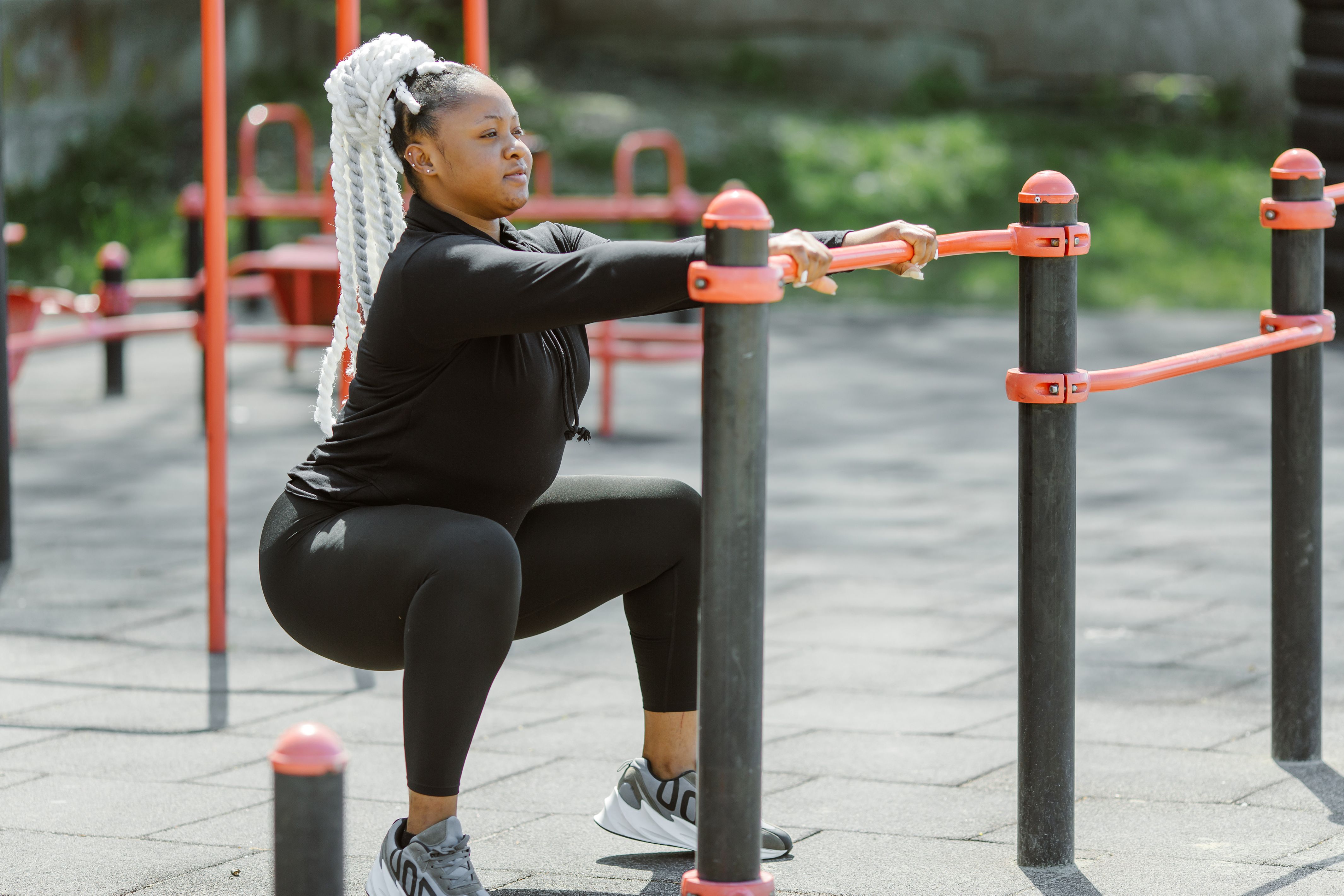
Support is smart — a rail, a bench or the back of a chair all count.
Week-by-week: a gentle on-ramp
Weeks 1–2: build the habit. Do one small thing a day — a short walk or a couple of minutes of gentle movement. Same rough time each day if you can, so it anchors to something you already do (after breakfast, before your shower). The only goal is consistency, not intensity.
Weeks 3–4: add a little. Stretch the walk to ten or fifteen minutes, or add a few more repetitions of a simple movement. Introduce two or three easy bodyweight exercises — squats to a chair, wall press-ups, gentle glute bridges. My core workout for complete beginners is built for exactly this stage. Still easy. Still winnable.
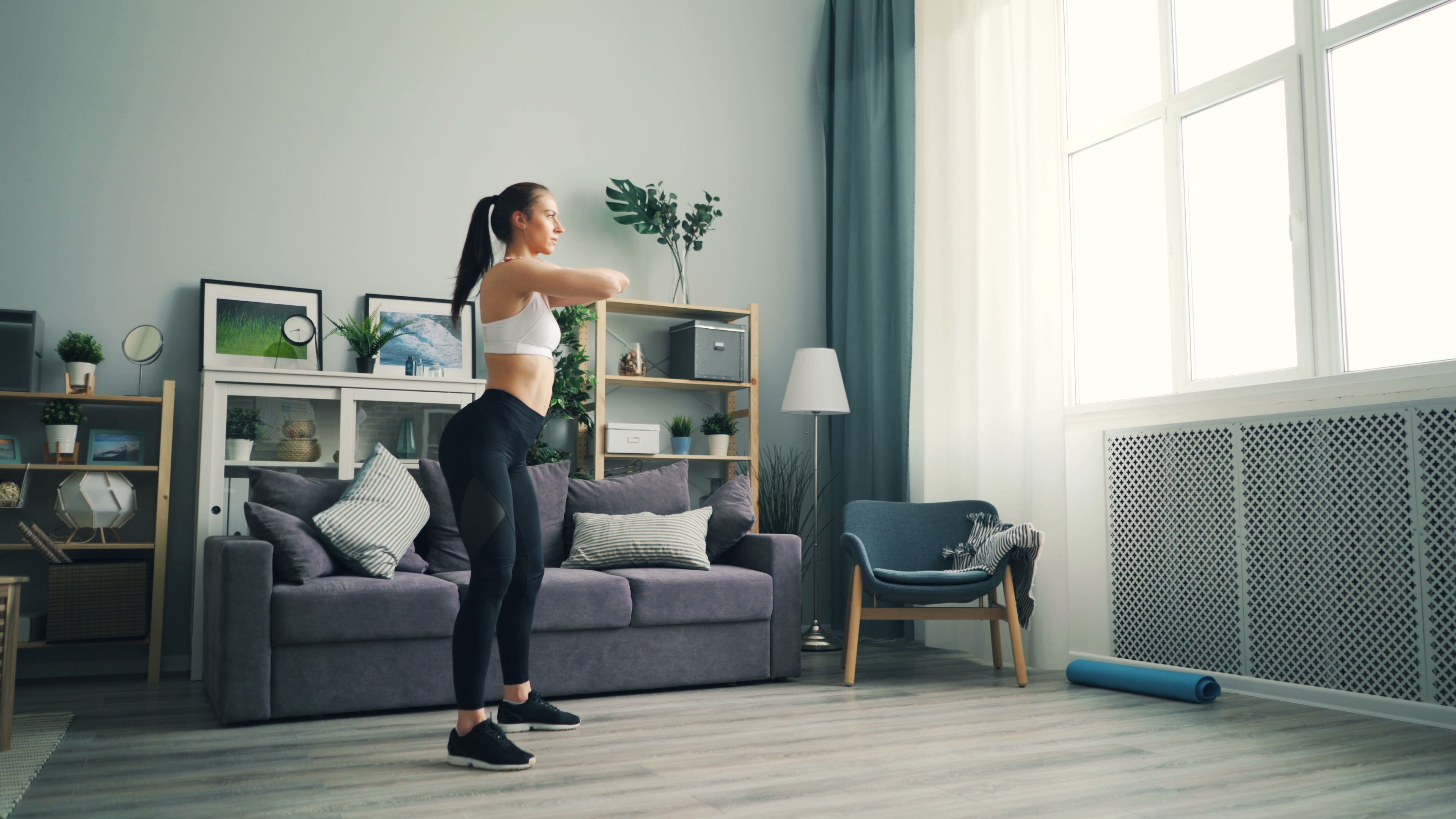
No gym required — the space between the sofa and the telly is plenty.
Weeks 5–8: build a short routine. Now you're someone who moves daily, put together a short full-body session two or three times a week — something like this full-body workout at home — alongside your walks. This is where you'll start to feel genuinely fitter and stronger.
By week eight you won't recognise the person from week one, not because you did anything heroic, but because you kept the promise to yourself every day.
Walking is underrated — start there
If you take nothing else from this, take walking. It's free, it's gentle on the joints, it requires no skill or kit, and it's one of the best possible starting points when you feel unfit. Build from five minutes to a brisk twenty or thirty over a few weeks and you've already transformed your baseline fitness.
Walk to a shop instead of driving, take a call on your feet, get off the bus a stop early. It all counts.
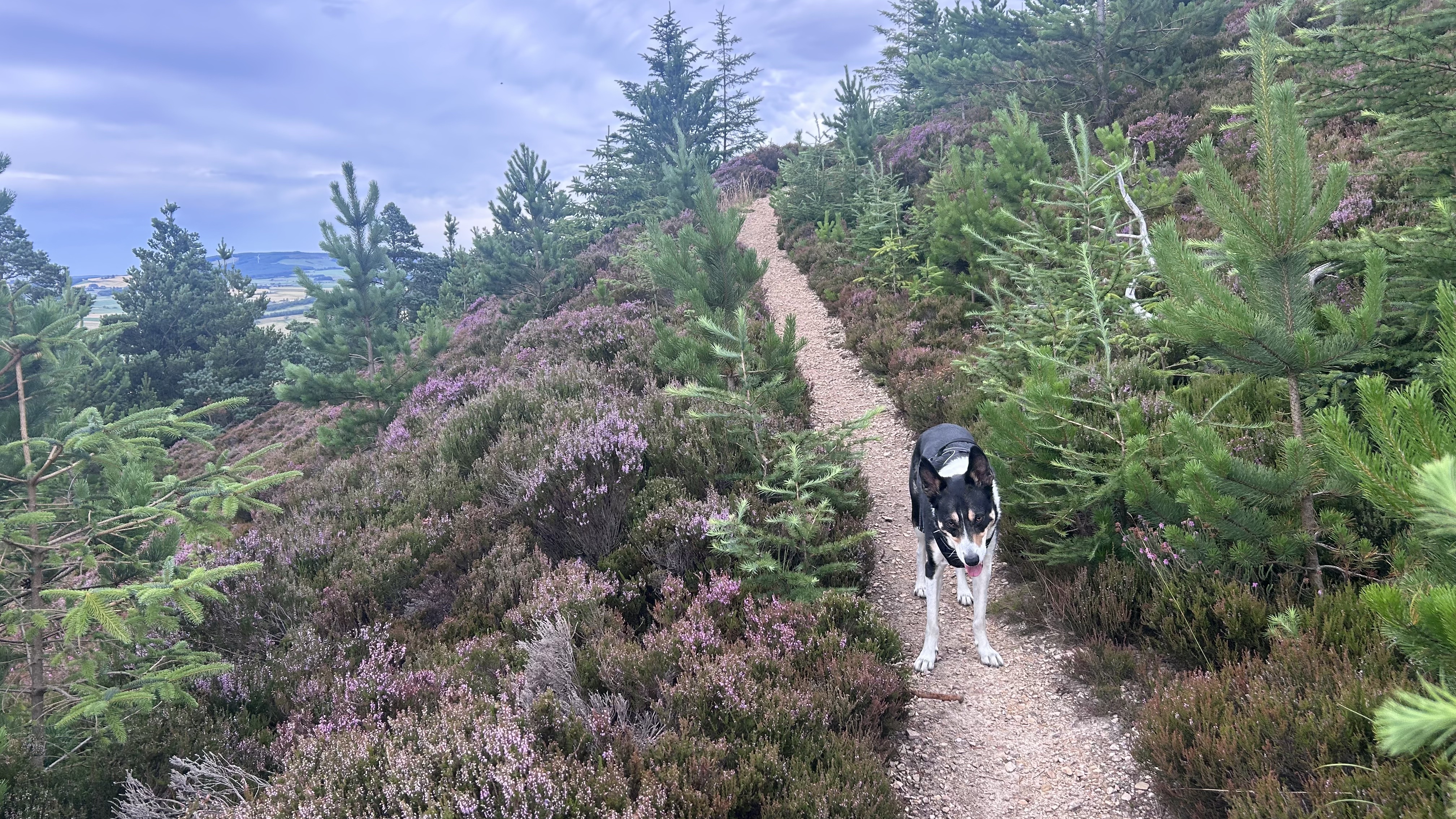
Free, gentle on the joints, and the training partner never cancels.
Be kind to your body — and expect some discomfort (not pain)
When you start, some muscle soreness a day or two later is normal and fades as your body adapts. That dull ache means the work is doing something. Sharp or sudden pain is different — that's a signal to stop and rest. Learn the difference and you'll train confidently.
Rest days aren't slacking; they're when your body actually rebuilds itself stronger. And if you have any existing health conditions, a quick chat with your GP before you begin is a sensible step.
Silence the comparison
Do not compare your beginning to someone else's middle. The runner you see, the person lifting heavy at the gym, the fitness content online — they all started somewhere, usually somewhere a lot like where you are now. Your only fair comparison is you last week. Beat that, gently, and you're winning.
The one thing that decides whether this works
It isn't the perfect programme, the right gym, or willpower. It's making the next step so easy and so clear that you actually take it, day after day, until it's just what you do. Remove the friction, remove the guesswork, and consistency stops being a battle.
That's exactly what Core Buddy is built for. It meets you at the very beginning with short, genuinely achievable sessions, shows you precisely what to do so you never have to plan or wonder, and eases the difficulty up only as you're ready — so you're always doing something that feels doable, and always moving forward. It's like having a patient personal trainer in your pocket who never judges where you're starting from.
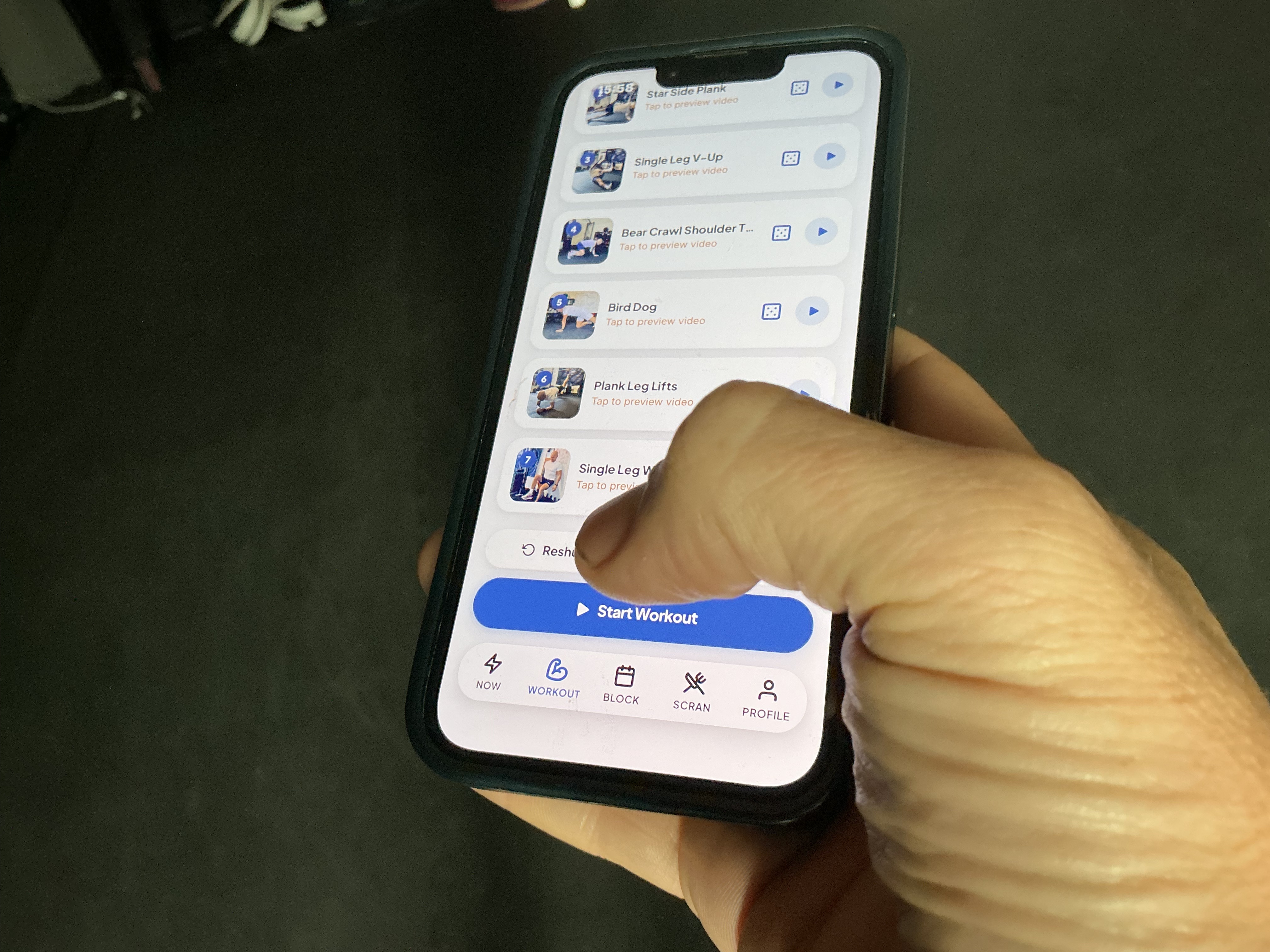
No planning, no wondering — the session is built and the button says start.
Frequently asked questions
How do I start exercising if I'm really out of shape?
Start far smaller than feels necessary — a five-minute walk or a couple of minutes of gentle movement a day. Build the habit first, then slowly increase. You get fit by starting, not before starting.
Is it too late to get fit if I've never exercised?
No. It's never too late to begin, and the body responds to training at any age and any starting point. The best time to start is now.
How long before I feel fitter?
Most people feel a difference in energy and stamina within two to three weeks of consistent, gentle activity, with clearer changes over six to eight weeks.
Should I walk or do workouts to start?
Walking is an excellent starting point — gentle, free and effective. Add simple bodyweight exercises once walking feels comfortable, usually after a couple of weeks.
What if I can only manage a few minutes?
That's the perfect place to begin. A few minutes done every day beats a long session you dread and skip. Small and consistent wins.
Take the first small step today
Core Buddy meets you at the very beginning — short, genuinely achievable sessions, a video demo for every move, and difficulty that only rises as you're ready. Free to download — and the 30-day free trial covers the lot.


This article is general guidance, not medical advice. If you have health concerns, check with your GP before starting a new exercise routine.